
Case study · 2026
Zions Capital
Markets
Created for Zions Bancorporation, N.A.
A design system and production front end, handed off so Zions' own team could run it inside Adobe Experience Manager.

- 259design tokens, published as CSS custom properties and JSON
- 9production pages, built from shared components
- 0framework or library dependencies
- AAbuilt to WCAG 2.1 AA, with full rendering when JavaScript is off
The brief
A distinctive identity, with motion that could survive an enterprise pipeline.
The build had to hand off cleanly to Zions' own team, who would integrate it into Adobe Experience Manager. That meant no framework runtime, nothing a security scan would reject, and code their developers could maintain without us.
Design system
One system behind every page.
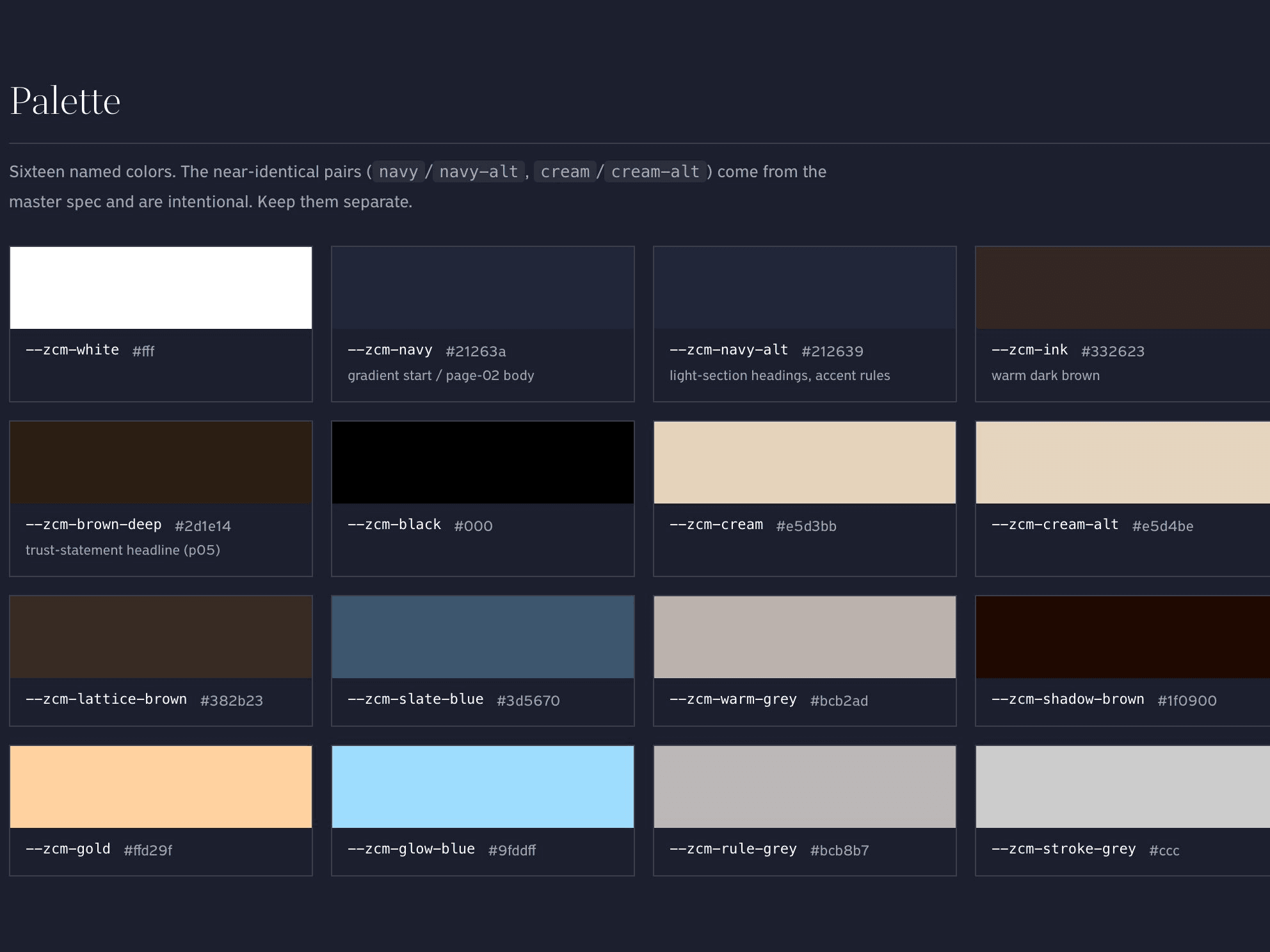
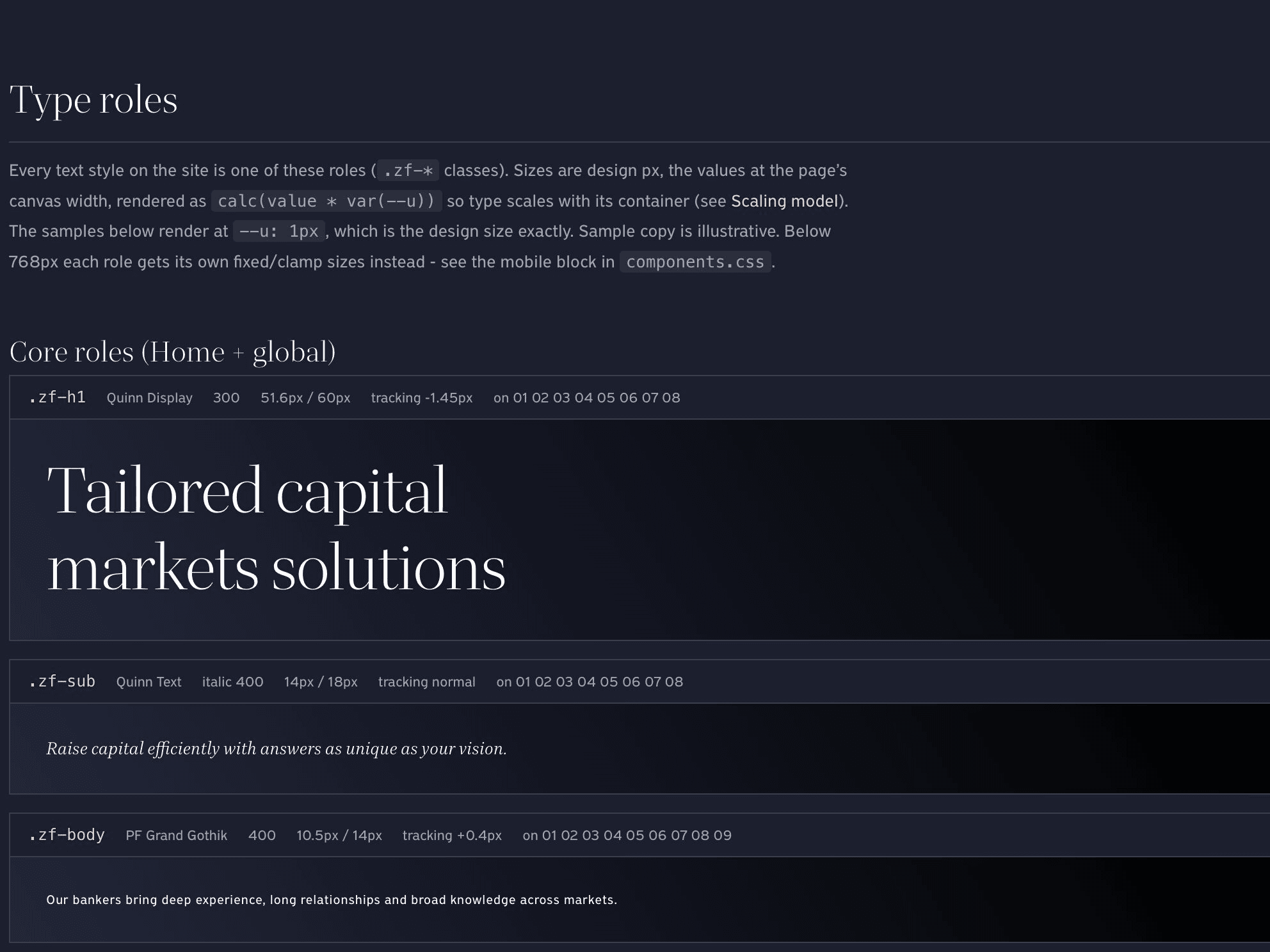
Tokens
259 design tokens for color, gradients, type, layout, and motion, published as CSS custom properties and JSON.
Components
Every section is one BEM component, instanced everywhere it appears. A variant may change the paint, never the structure.
Scaling model
One proportional unit per component. At design width it matches the comp pixel for pixel; in any other column it scales. Below 768px, a separately designed phone layout takes over.
Style guide
Palette, type roles, standards, live component specimens with markup contracts, behaviors, an authoring guide, and implementation notes, so the team can work without us.
Motion
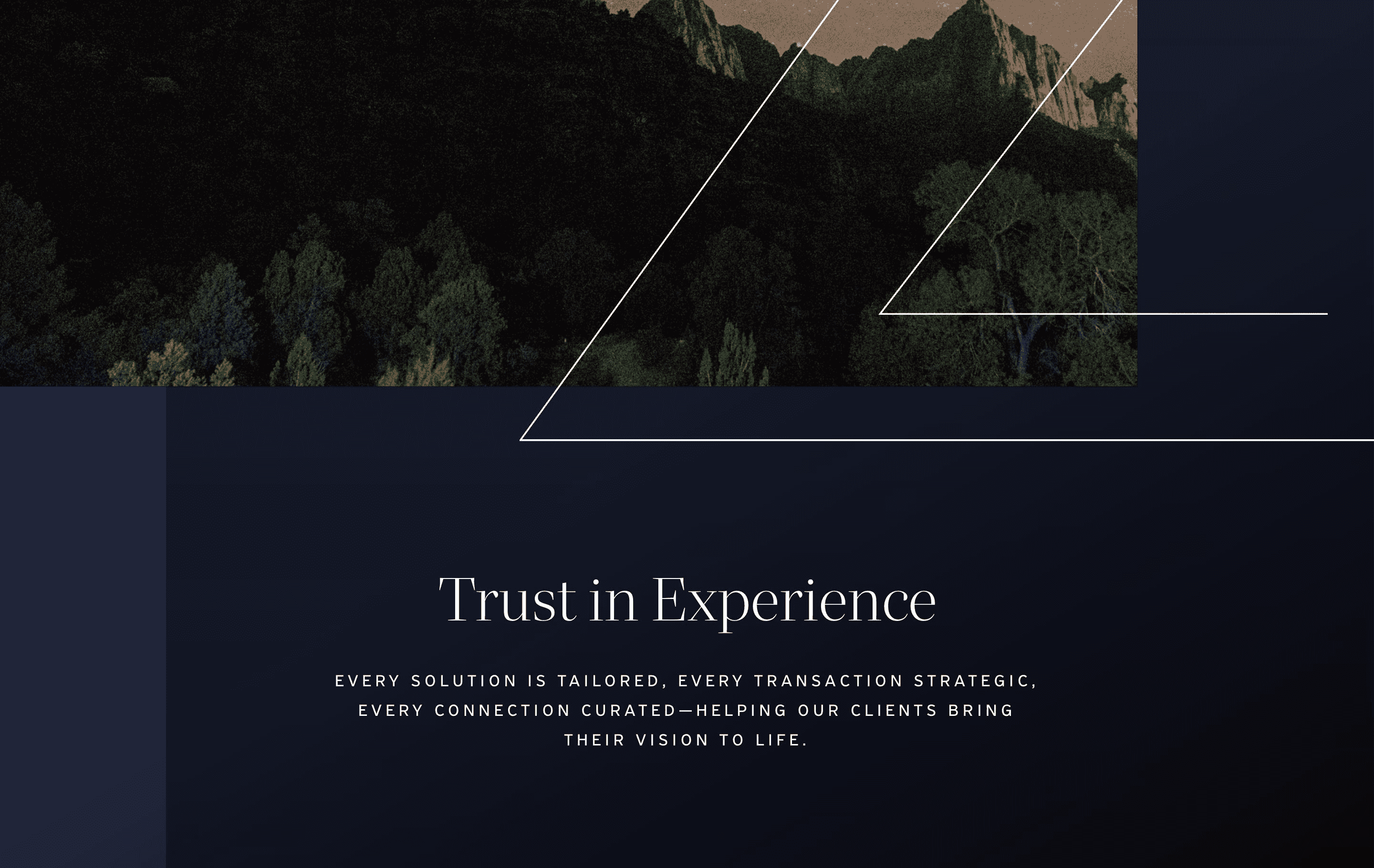
The Z-line
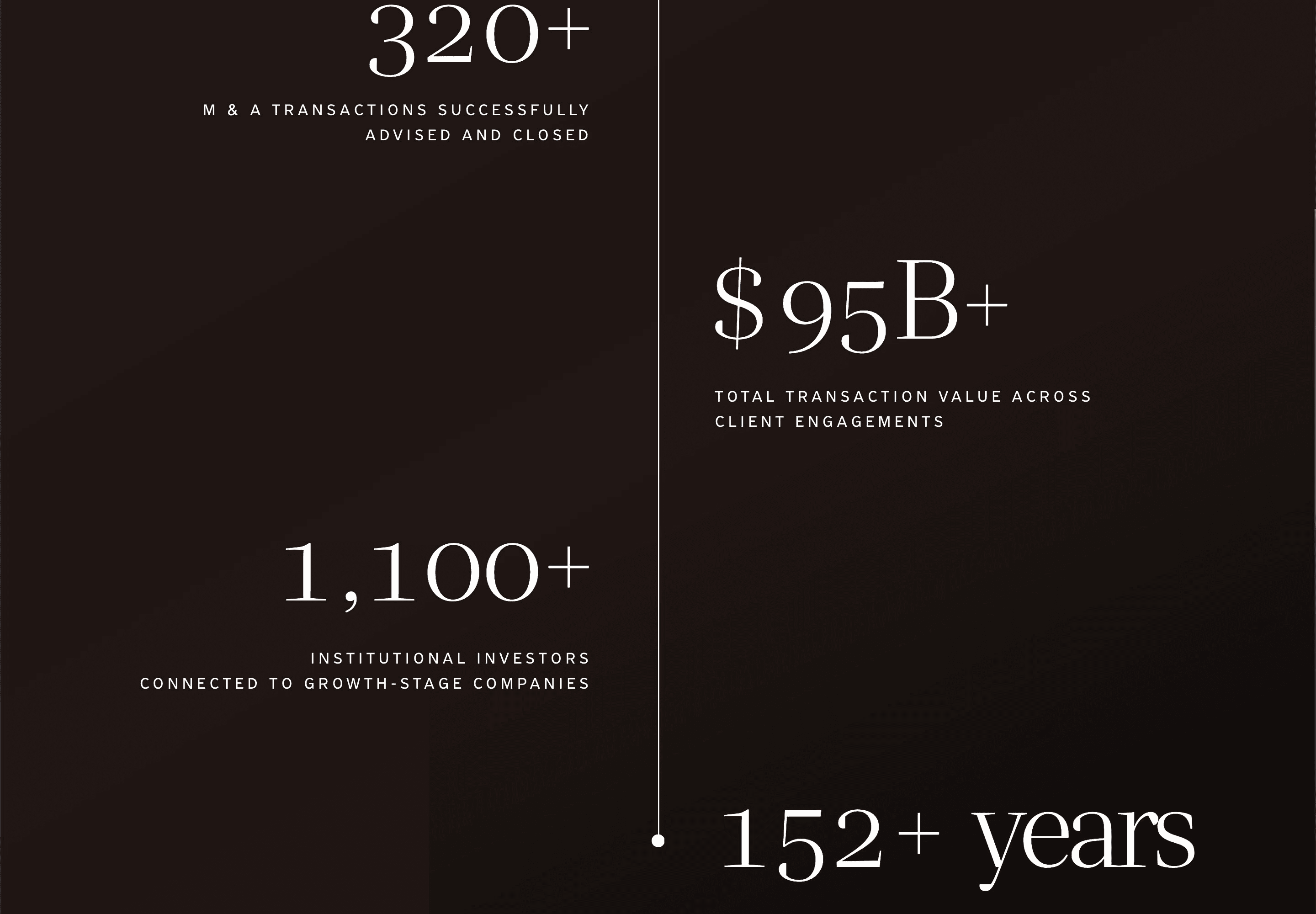
The Z-line motif draws on first, then the headline and copy rise in. Below the fold, sections reveal and the line threads between them as you scroll, and the numbers count up.
It's native CSS, with scroll-driven animation and no animation library. Every motion respects reduced-motion settings, and with JavaScript off, every page still renders complete.

Outcome
A system their team could extend on its own.
The client's team owned the result from day one. Their developers integrated the delivered components into Adobe Experience Manager, and the Z-line motif and component structure run on the live site today.
Back to the work